No products in the cart.

Ergin İnan
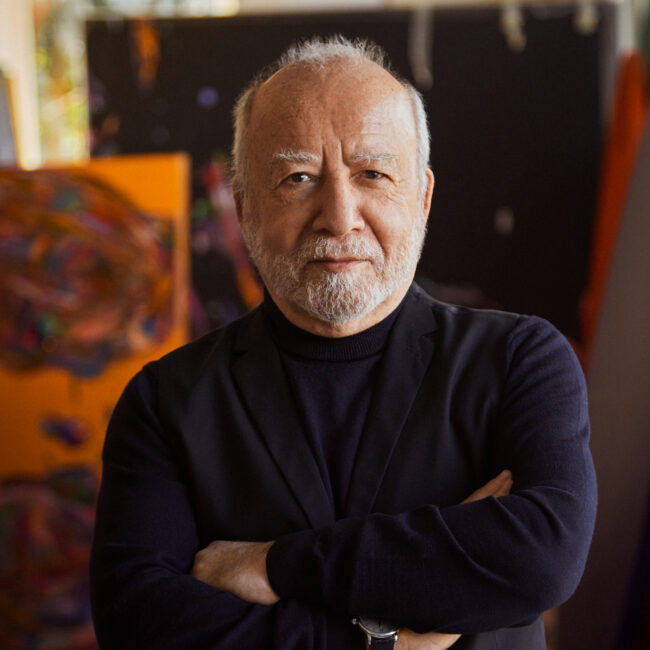
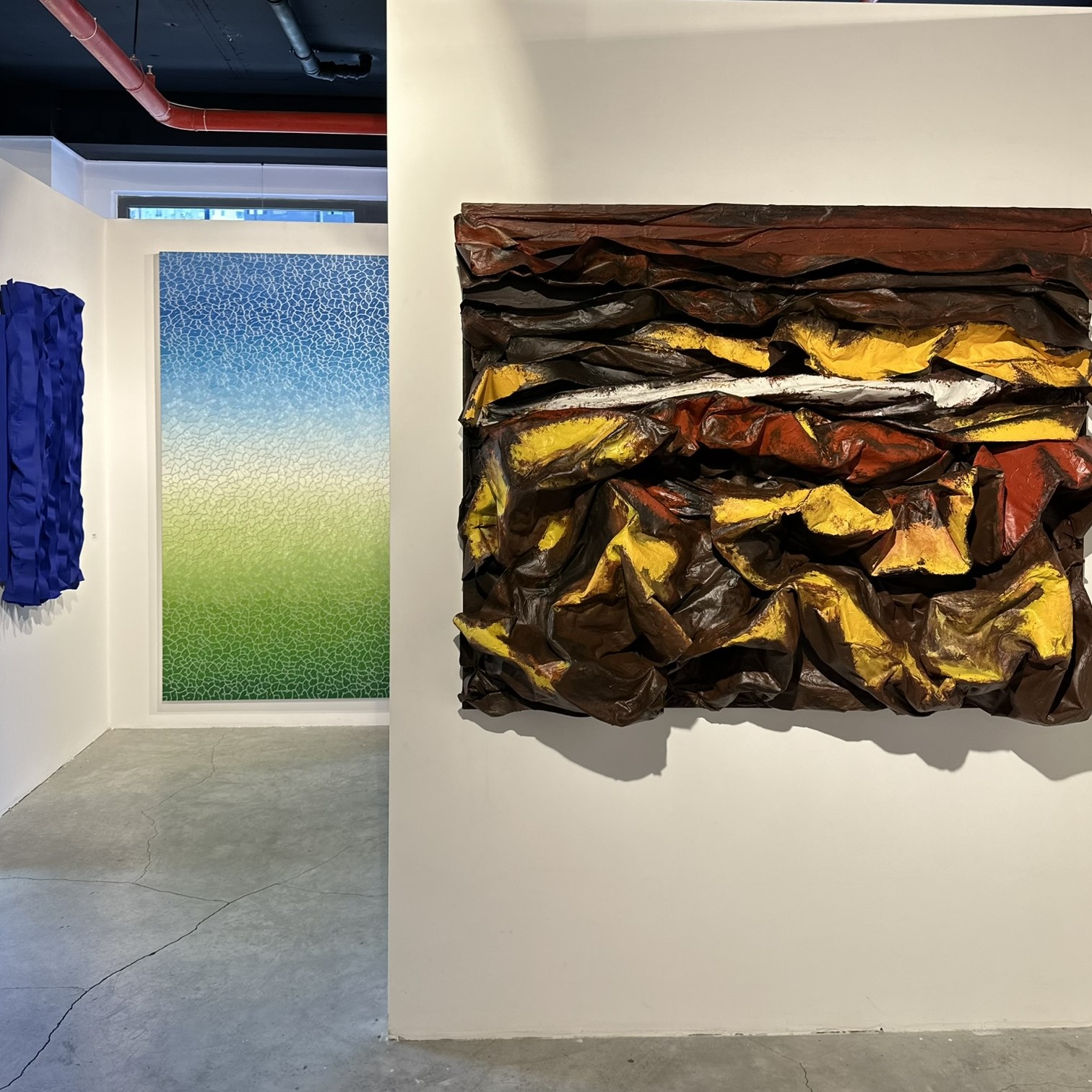
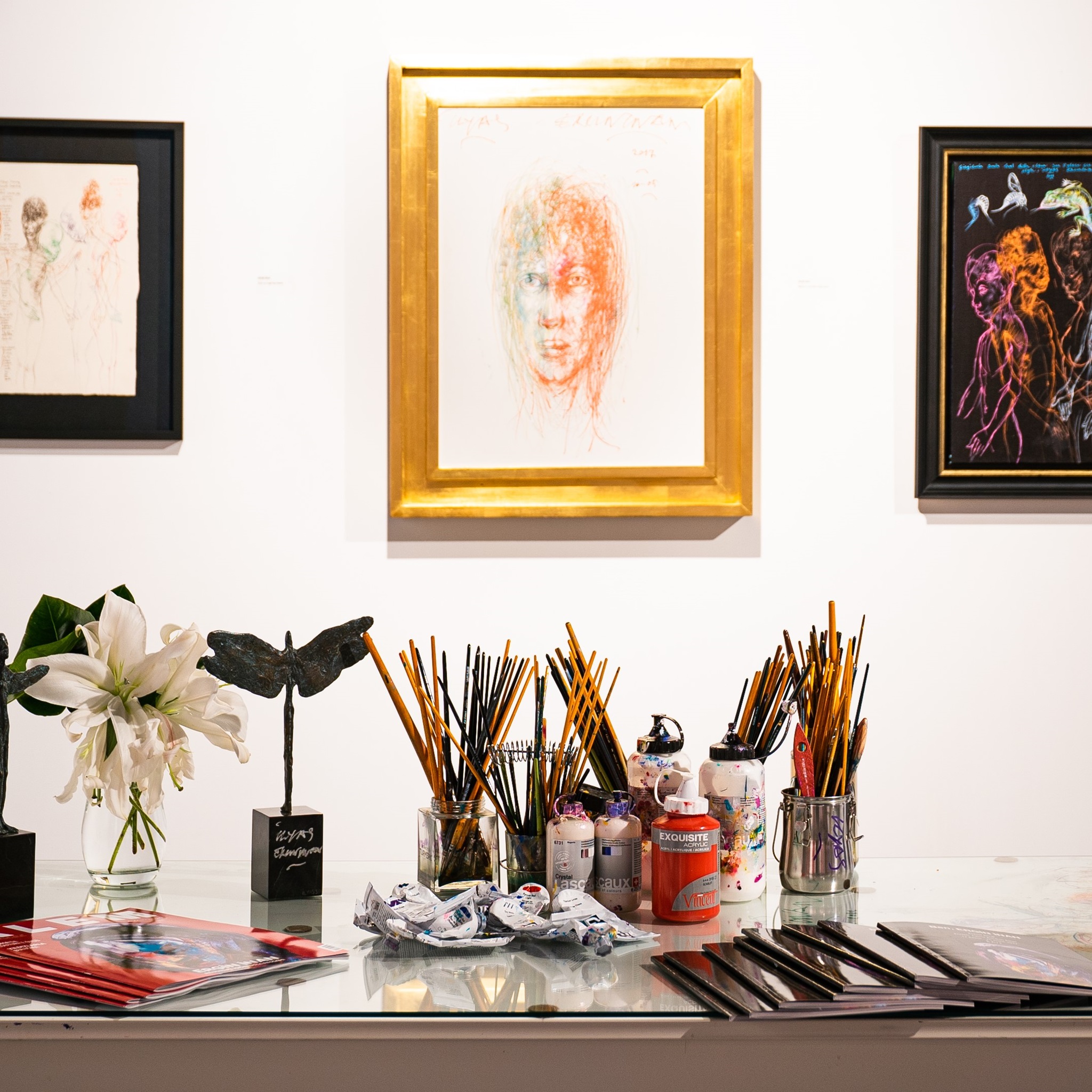
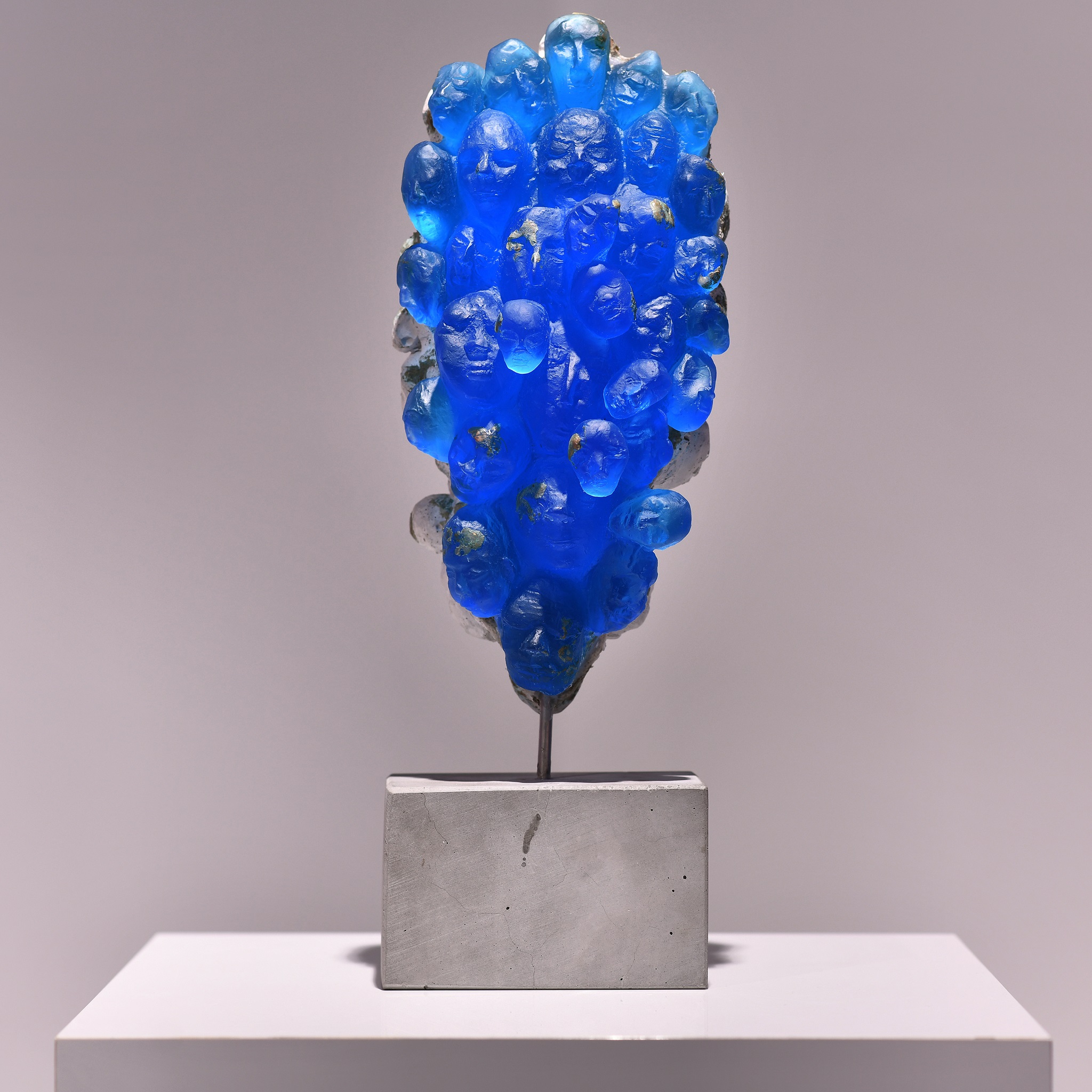
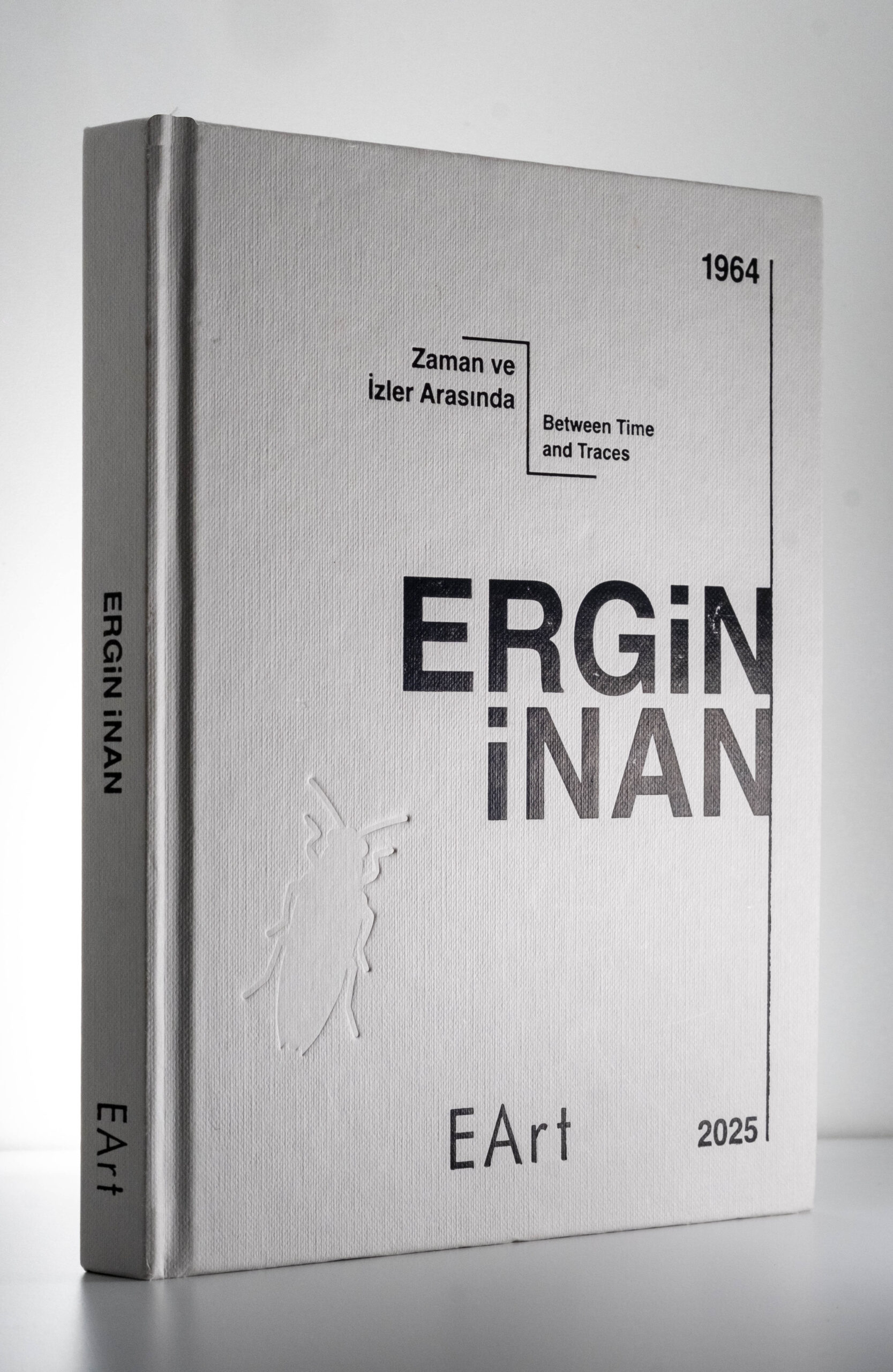
For over sixty years, Ergin İnan, one of the most original voices of Turkish contemporary art, has developed a poetic, philosophical, and deeply personal visual language. Since the 1960s, insects, human figures, fragments of text, and calligraphic marks have intertwined in his world, creating compositions that transcend time and space. Ergin İnan’s artistic journey began in the late 1960s, a period when Turkish art was opening up to international influences while also coming to terms with its own traditions. Even in his earliest works, he displayed an original sensibility that defied categorization by blending drawing, painting, and diverse techniques. Insects turned into metaphors symbolizing the fragility and resilience of life; figures suspended between life and dream, along with marks evoking memory and mystery, later formed the core iconography of his art.
Throughout his career spanning more than six decades, İnan remained faithful to his fundamental motifs while continuously reinventing himself in terms of form, technique, and expression. This dynamic balance between repetition and transformation endowed his art with both integrity and a constant sense of wonder. Ergin İnan’s art can be read as a bridge between East and West, tradition and modernity, past and present, matter and meaning. Nourished by local cultural heritage yet touching upon universal human themes, his visual language resonates across different geographies, influencing generations not only through its imagery but also through its honesty, experimentation, and intellectual depth.
(b. 1943, Malatya) Graduating from the Painting Department of the Istanbul State Academy of Fine Arts in 1968, Ergin İnan worked with Prof. Emilio Vedova at the Salzburg Summer Academy and Prof. Mac Zimmerman in Munich. Between 1985 and 1986, he served as a guest professor at the Berlin University of the Arts. Based on the examination and interpretation of the metaphysical meaning between existence and non-existence from his own perspective, a search for synthesis between Eastern and Western cultures can be observed in his paintings. In his works starting from the 1970s featuring insects and human figures, he reflects the visual and symbolic relationships established between images. With works included in museums and numerous private collections both nationally and internationally in countries such as Germany, Norway, England, Belgium, the Netherlands, and Japan, the artist continues to live and work in Berlin and Urla.